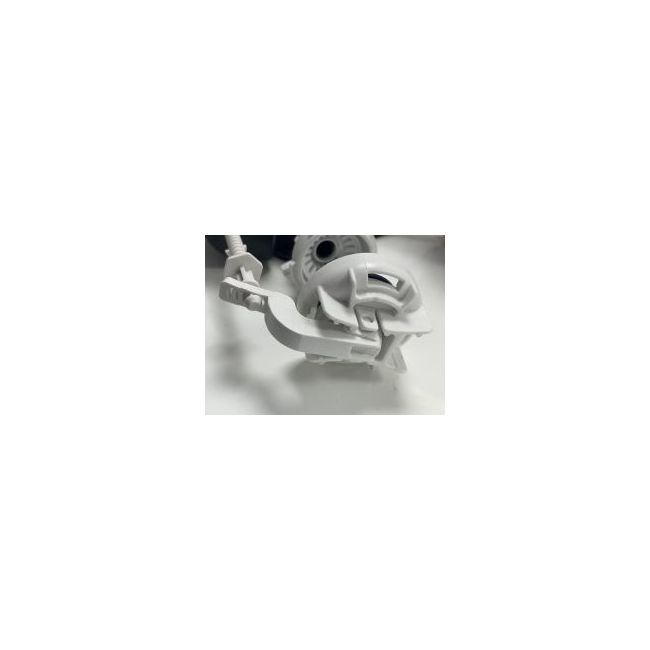
Ideal Standard Fill Valve Diaphragm for Amstd Fastpart Float Filling Valve with White Cap SV901671 Univalve Inlet Servicing Kit Toilet Inlet Valve Fittings kit for Inlet Valves
£13.00
Ideal Standard Fill Valve Diaphragm for Amstd Fastpart Float Filling Valve with White Cap SV901671
Ideal Standard Fill Valve Diaphragm for Amstd Fastpart Float Filling Valve with White Cap SV901671
Univalve Inlet Servicing Kit Toilet Inlet Valve Fittings kit for Inlet Valves
Availability:
In stock
Ideal Standard Fill Valve Diaphragm for Amstd Fastpart Float Filling Valve with White Cap SV901671
Univalve Inlet Servicing Kit Toilet Inlet Valve Fittings kit for Inlet Valves
FAQ
Silencing the Drip: A Professional Guide to Stopping Water Running into Your Toilet Pan
The persistent sound of water running into a toilet pan, long after flushing, is more than just an auditory nuisance; it signifies a continuous waste of water and an unnecessary increase in utility bills. This common household issue, if left unaddressed, can lead to significant water consumption over time, impacting both your finances and the environment. Fortunately, diagnosing and resolving a running toilet is often a straightforward task that can be tackled with a methodical approach and the right information. This article will provide a professional guide to identifying the root causes of a running toilet and outline effective solutions, incorporating insights relevant to various common toilet systems and components.
Understanding the Mechanics: Why Your Toilet Keeps Running
A toilet operates on a simple yet effective principle: a tank holds water, which is released into the pan upon flushing, and then refilled. When water continuously runs into the pan, it indicates a failure in one of the two primary mechanisms designed to control water flow: the fill valve (also known as the inlet valve) or the flush valve (also known as the outlet valve). Reputable manufacturers such as Grohe, Roca, and Armitage Shanks design their systems for durability, but even the highest quality components can wear over time.
The fill valve is responsible for refilling the tank after a flush and shutting off the water supply once the tank reaches the correct level. The flush valve, conversely, is located at the bottom of the tank and seals the water in until the toilet is flushed. A leak can originate from either of these points, or sometimes from an overflow situation.
Diagnosing Issues with the Fill Valve (Inlet Valve)
The fill valve controls the flow of water into the toilet tank from the main supply line. If this valve fails to shut off completely, water will continue to enter the tank, eventually overflowing into the pan via the overflow tube. Many modern toilets, including those from Ideal Standard, utilize a side entry inlet valve design, where the water supply connects to the side of the tank.
To diagnose a fill valve issue, consider the following steps:
Check the Water Level: Open the toilet tank lid and observe the water level. If the water level is consistently above the top of the overflow tube, the fill valve is not shutting off correctly. The water is simply flowing directly into the pan via the overflow.
Adjust the Float Mechanism: The fill valve's shut-off mechanism is typically controlled by a float (either a float cup or a float arm with a ball). If the float is set too high or is obstructed, it won't signal the valve to close. Gently lower the float or adjust its setting to ensure the water level is at least an inch below the top of the overflow tube.
Inspect the Diaphragm/Washer: Inside many fill valves, a rubber diaphragm or washer is responsible for creating the seal that stops water flow. Over time, this component can become stiff, cracked, or accumulate mineral deposits, preventing a complete seal. If adjusting the float doesn't work, the diaphragm may need replacement. This often requires disassembling the top portion of the fill valve.
Consider Full Valve Replacement: If the diaphragm is not easily replaceable or the valve is old and corroded, replacing the entire fill valve might be the most effective solution. Spares from suppliers like AMSTD Fastpart can provide suitable replacements for various brands.
Addressing Flush Valve (Outlet Valve) Leaks
The flush valve is arguably the more common culprit behind a running toilet. This valve, located at the bottom of the tank, is responsible for holding water in the tank until the flush lever is activated. A faulty seal here allows water to slowly seep from the tank directly into the toilet pan.
Follow these steps to identify and rectify flush valve problems:
Perform a Dye Test: This is the most reliable method to confirm a flush valve leak. Add a few drops of food coloring (or a toilet dye tablet) to the water in the toilet tank. Do not flush the toilet for at least 15-20 minutes. If colored water appears in the toilet pan without flushing, you have a flush valve leak.
Inspect the Flush Valve Seal/Flapper: The flush valve typically uses a rubber flapper or a donut-shaped seal to create a watertight barrier. Lift the tank lid and visually inspect this component. Look for:
Wear and Tear: Cracks, tears, or hardening of the rubber.
Debris: Mineral deposits, rust, or other foreign objects lodged under the seal, preventing a tight closure.
Misalignment: Ensure the flapper or seal sits squarely over the drain opening.
Clean the Sealing Surface: Sometimes, simply cleaning the rim where the flapper or seal rests can resolve the issue. Use a non-abrasive cloth or sponge to wipe away any grime or mineral buildup.
Replace the Flush Valve Seal: If the seal is visibly damaged or the dye test confirms a leak despite cleaning, replacement is necessary. For toilets from manufacturers like Ideal Standard, specific replacement parts such as an ideal standard flush valve seal are available. Generic but high-quality spares, such as the Fastpart Spares sv90167, are also widely available and compatible with many systems, including those from AMSTD Fastpart. Ensure you purchase the correct size and type for your toilet model.
When to Seek Professional Assistance and Preventative Measures
While many running toilet issues can be resolved with basic DIY skills, there are instances where professional help is advisable. If you've attempted the above steps without success, or if you encounter complex plumbing configurations, persistent leaks, or are simply uncomfortable with the repair process, contacting a qualified plumber is the most prudent course of action. They possess the specialized tools and expertise to diagnose intricate problems and ensure a lasting repair.
To minimize the likelihood of future running toilet issues, consider these preventative measures:
Regular Inspection: Periodically check your toilet tank's components for signs of wear, such as stiff rubber seals or corroded parts.
Avoid Harsh Chemicals: Do not use in-tank chemical cleaners that sit in the tank, as these can degrade rubber and plastic components over time, leading to premature failure of seals and diaphragms.
Use Quality Replacement Parts: When replacing components, opt for genuine manufacturer parts (e.g., from Grohe, Roca, Armitage Shanks, Ideal Standard) or high-quality aftermarket spares from reputable suppliers like AMSTD Fastpart. Inferior parts may not last as long or fit as precisely.
Address Minor Issues Promptly: Don't ignore the subtle signs of a running toilet. Addressing small leaks early can prevent them from escalating into more significant problems and greater water waste.
Conclusion
A running toilet is a common household problem with clear solutions. By systematically diagnosing whether the issue lies with the fill valve or the flush valve, and by following the outlined steps for inspection and repair, homeowners can effectively silence the drip and restore their toilet to optimal, water-efficient operation. Whether it involves adjusting a float, replacing a diaphragm in a side entry inlet valve, or fitting a new ideal standard flush valve seal or Fastpart Spares sv90167, a proactive approach not only saves water and money but also contributes to a quieter, more sustainable home environment. Remember, a well-maintained toilet is a testament to efficient home management and responsible resource consumption.
https://mytoiletspares.co.uk/ideal-standard-spares-inlet-valve-servicing-kit-univalve-sv90167.html
https://toiletrepairspareparts.co.uk/ideal-standard-spares-amstd-fastpart-syphon-flush-valve-df-vlv-2-180h-180-o-f-sv89067-original-one.html